Work
About
Contact
Plenum: A Sustainable Medical Tourism Solution
June 17, 2023 | 3 min Read | Leadership
The BSI Smart Sustainability Charrette was a whirlwind. Imagine a room buzzing with architects, designers, business strategists – all thrown together for a five-day design sprint. I was facilitating Team 6, a diverse group including talent from architecture, UX design, business strategy, and digital experience, collaborating with students from KEA (Denmark) and Politecnico di Milano, alongside my own institution, George Brown College. We were tasked with creating a sustainable medical tourism model for Barbados, specifically focusing on reproductive healthcare. Talk about pressure!
Barbados's interest in expanding into medical tourism, particularly on its North Shore, really took hold after COVID-19. Recognizing the potential of existing facilities like the Harrison Point Isolation Facility, Barbadians saw an opportunity to leverage them for more than just pandemic response. They envisioned a future where these resources could attract medical tourists, boosting the economy while offering high-quality care. However, they knew they needed more than just facilities; they needed a truly sustainable and comprehensive approach. Identifying the Gap: Post-Operative Care, We quickly realized a key gap: post-operative care. A news article highlighted medical tourists struggling without local support after treatment. That was our aha! moment. We needed a holistic solution, not just a clinic.
My Role as Facilitator
My job as facilitator was a balancing act: leading brainstorming sessions (some of the best ideas came from late-night, caffeine-fueled debates!), coordinating research (including a crucial interview with a wellness expert), and navigating setbacks. On Day 3, our concept was challenged on business feasibility. It was a gut-check. But we rallied, refined our strategy, and emerged stronger.
Introducing Plenum: A Holistic Wellness Ecosystem
Our solution? Plenum.
Rooted in the idea of fullness and vitality, ‘Plenum’ draws from its Latin origin, representing the seamless integration of fertility solutions with sustainable, community-driven wellness. It embodies the journey of life, resilience, and holistic support. It's more than a medical facility; it's a wellness ecosystem. We envisioned comprehensive reproductive health services, including IVF, catering to diverse needs, with robust pre- and post-operative care packages. Sustainability was key. Think solar panels, straw-bale insulation, rainwater harvesting – minimizing our environmental footprint. We even planned to repurpose existing Sandals Resort buildings for initial operations, with a state-of-the-art, neuro-architectural facility at Harrison’s Point in the future. Integrating these eco-friendly systems into the natural landscape was a major architectural puzzle we were excited to solve.
Community and Cultural integration was also crucial. We wanted to partner with local universities for training and jobs and weave Bajan culture into our wellness programs. Two of our team members were of Bajan ethnicity, providing invaluable insights into how we could incorporate local traditions and practices, especially in post-operative care, ensuring a truly culturally sensitive and supportive experience for patients.
Our design process was intense: research, ideation, prototyping, feedback, refinement, and finally, a presentation. We mapped out a phased approach: first, converting part of Sandals; then building Plenum’s dedicated center; and finally, transforming the former Sandals site into a recovery center.
The biggest lesson I learned? The power of storytelling. Instead of just presenting data, we told the story of a couple traveling to Barbados for IVF, experiencing the holistic healing, the cultural immersion, the compassionate care. It resonated.
Key Takeaways
The charrette taught me the power of diverse teams, the crucial role of intentional sustainability in healthcare and tourism, and the absolute necessity of user empathy. Plenum is a testament to what can be achieved through design thinking, collaboration, and a commitment to sustainable innovation.
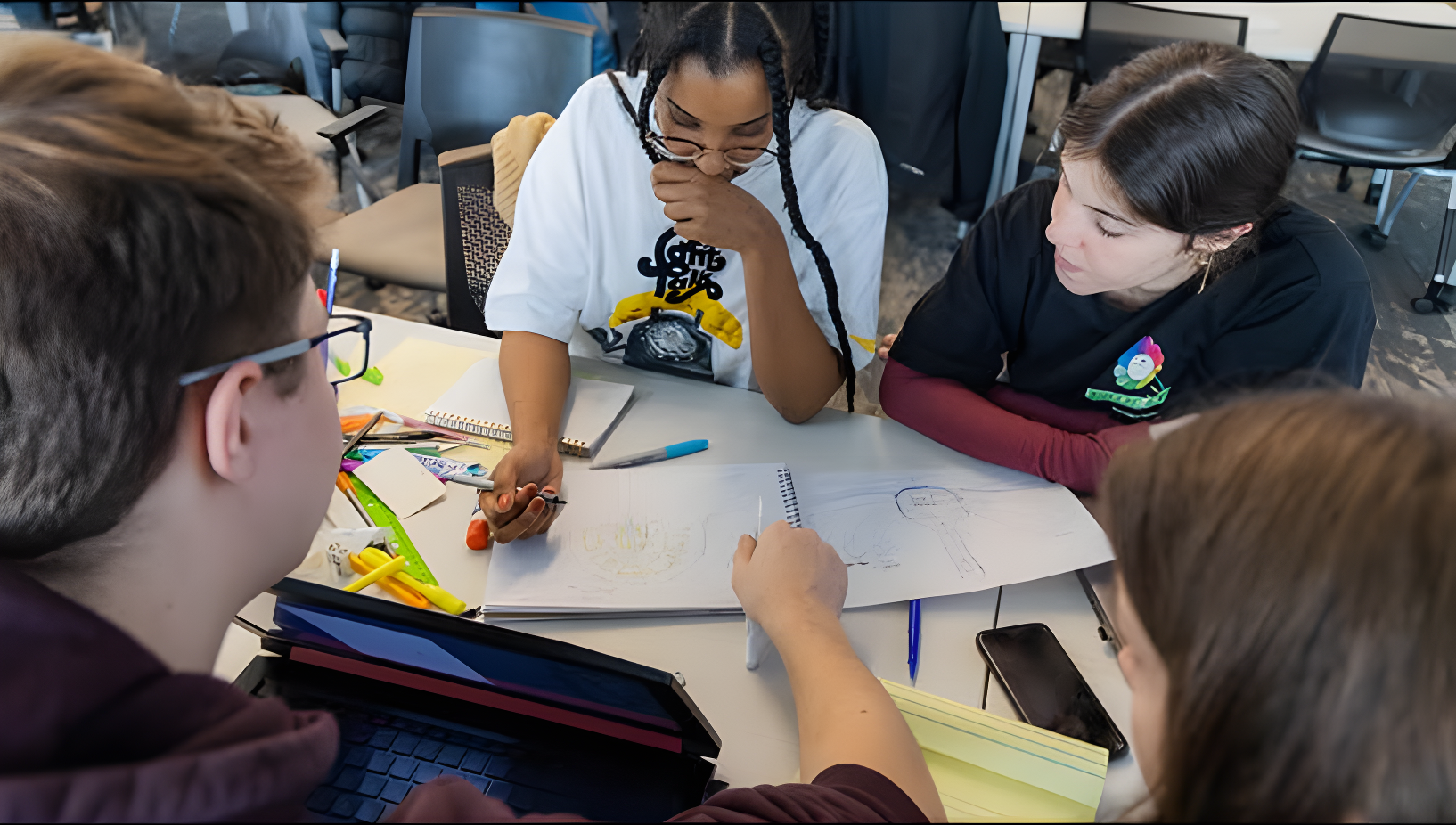 Photo By Brookfield Sustainability Institute
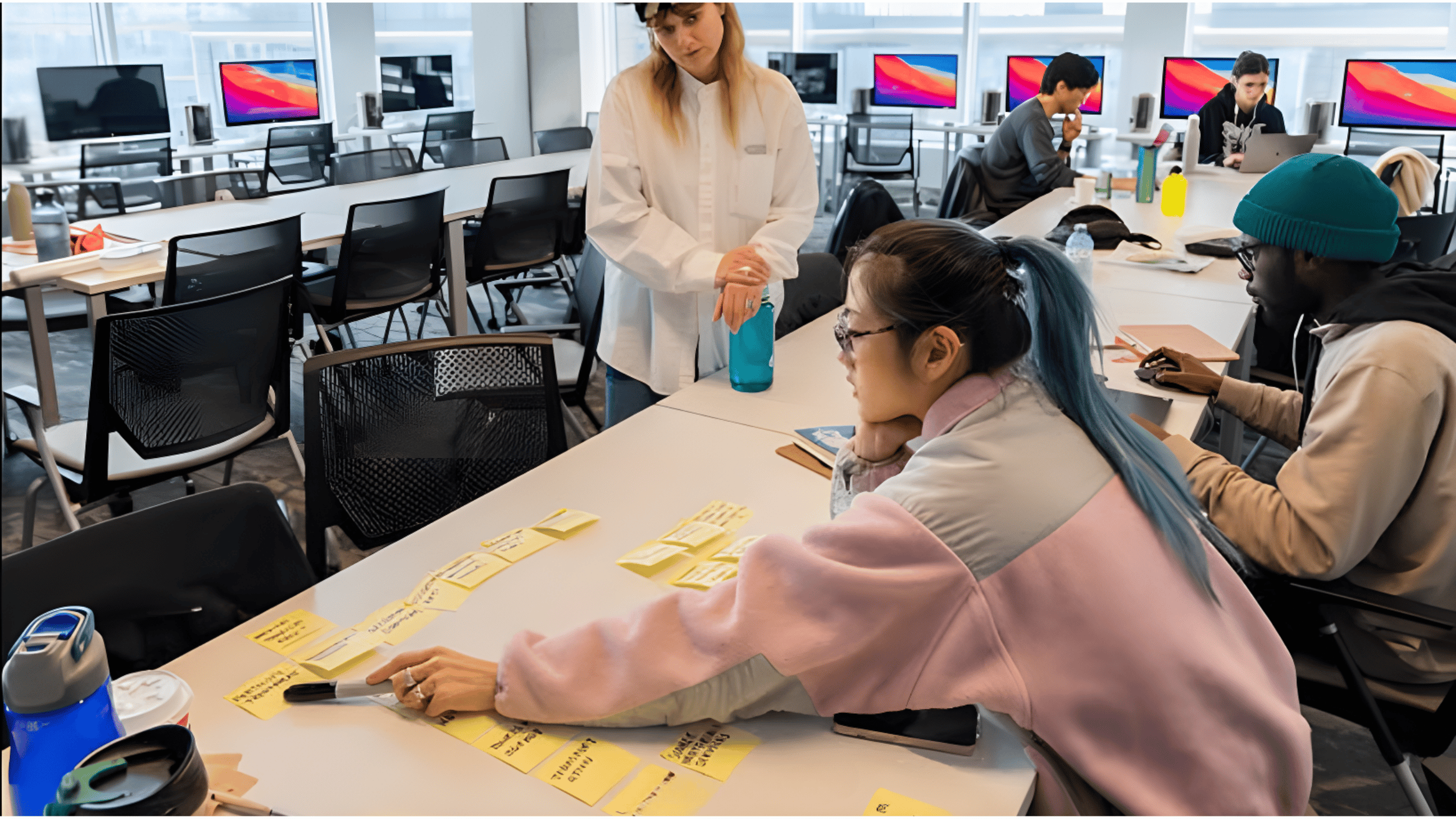 Photo By Brookfield Sustainability Institute
Barbados's interest in expanding into medical tourism, particularly on its North Shore, really took hold after COVID-19. Recognizing the potential of existing facilities like the Harrison Point Isolation Facility, Barbadians saw an opportunity to leverage them for more than just pandemic response. They envisioned a future where these resources could attract medical tourists, boosting the economy while offering high-quality care. However, they knew they needed more than just facilities; they needed a truly sustainable and comprehensive approach. Identifying the Gap: Post-Operative Care, We quickly realized a key gap: post-operative care. A news article highlighted medical tourists struggling without local support after treatment. That was our aha! moment. We needed a holistic solution, not just a clinic.
My Role as Facilitator
My job as facilitator was a balancing act: leading brainstorming sessions (some of the best ideas came from late-night, caffeine-fueled debates!), coordinating research (including a crucial interview with a wellness expert), and navigating setbacks. On Day 3, our concept was challenged on business feasibility. It was a gut-check. But we rallied, refined our strategy, and emerged stronger.
Introducing Plenum: A Holistic Wellness Ecosystem
Our solution? Plenum.
Rooted in the idea of fullness and vitality, ‘Plenum’ draws from its Latin origin, representing the seamless integration of fertility solutions with sustainable, community-driven wellness. It embodies the journey of life, resilience, and holistic support. It's more than a medical facility; it's a wellness ecosystem. We envisioned comprehensive reproductive health services, including IVF, catering to diverse needs, with robust pre- and post-operative care packages. Sustainability was key. Think solar panels, straw-bale insulation, rainwater harvesting – minimizing our environmental footprint. We even planned to repurpose existing Sandals Resort buildings for initial operations, with a state-of-the-art, neuro-architectural facility at Harrison’s Point in the future. Integrating these eco-friendly systems into the natural landscape was a major architectural puzzle we were excited to solve.
Community and Cultural integration was also crucial. We wanted to partner with local universities for training and jobs and weave Bajan culture into our wellness programs. Two of our team members were of Bajan ethnicity, providing invaluable insights into how we could incorporate local traditions and practices, especially in post-operative care, ensuring a truly culturally sensitive and supportive experience for patients.
Our design process was intense: research, ideation, prototyping, feedback, refinement, and finally, a presentation. We mapped out a phased approach: first, converting part of Sandals; then building Plenum’s dedicated center; and finally, transforming the former Sandals site into a recovery center.
The biggest lesson I learned? The power of storytelling. Instead of just presenting data, we told the story of a couple traveling to Barbados for IVF, experiencing the holistic healing, the cultural immersion, the compassionate care. It resonated.
Key Takeaways
The charrette taught me the power of diverse teams, the crucial role of intentional sustainability in healthcare and tourism, and the absolute necessity of user empathy. Plenum is a testament to what can be achieved through design thinking, collaboration, and a commitment to sustainable innovation.